In the ever-evolving world of modern SEO, keywords and entities work hand-in-hand, creating a powerful, interconnected harmony.
Think of keywords as the direct questions or phrases people type into search engines – they're the visible way users express what they need. But underneath those words are the deeper ideas – the people, places, things, and concepts – that truly give meaning and context to your content.
Your content can't truly make an impact or be fully understood without both; keywords give a voice to what a user is looking for, while those core ideas give your content real relevance and authority in the eyes of a search engine.
Just like a martial artist moves with clear intention, your content should be crafted with a clear topic in mind, expressed through a whole group of related terms. This ensures your message truly connects with both search engines and the people you're trying to reach.
Your website today is far more than just an online brochure; it's a powerful marketing engine, constantly working to connect you with the right people.
Some visitors might land on your pages already knowing your brand, perhaps from your social media. They're eager to learn more about what you offer and your expertise.
Others, however, are discovering you for the very first time. They're actively searching for solutions or information that you, with your unique skills, are perfectly qualified to provide.
This is where Search Engine Optimization (SEO) comes in. It's the smart way to create website content that not only reaches these different audiences but also delivers exactly what they're looking for.
Today, we're going to simplify "entities" in SEO – a key idea that will help you create excellent, truly helpful content for everyone, whether they're a loyal follower or a brand new discovery.
I understand the overwhelm that can come with more advanced tech concepts, so have no fear! I’m here to make this as clear and straightforward as possible for you.
What Exactly Are "Entities" in SEO?
For a long time, SEO was mostly about keywords. If you stuffed your content with the right phrases, you'd rank high, right? Well, not anymore. And most of us have known that for a while.
Search engines like Google have become much smarter. They've moved beyond simply matching keywords to understanding the meaning and relationships within your content, much like a human would.
This big shift is where "entities" become so important.
So, what's an entity? It's a distinct, identifiable "thing" or concept. It's not just a word on a page, but the actual idea behind that word. For example, if you see the word "Jaguar," it could mean the wild cat or the luxury car brand. An entity is the specific thing Google understands you're talking about – like Jaguar Cars (the luxury vehicle manufacturer) or Jaguar (the powerful big cat species).
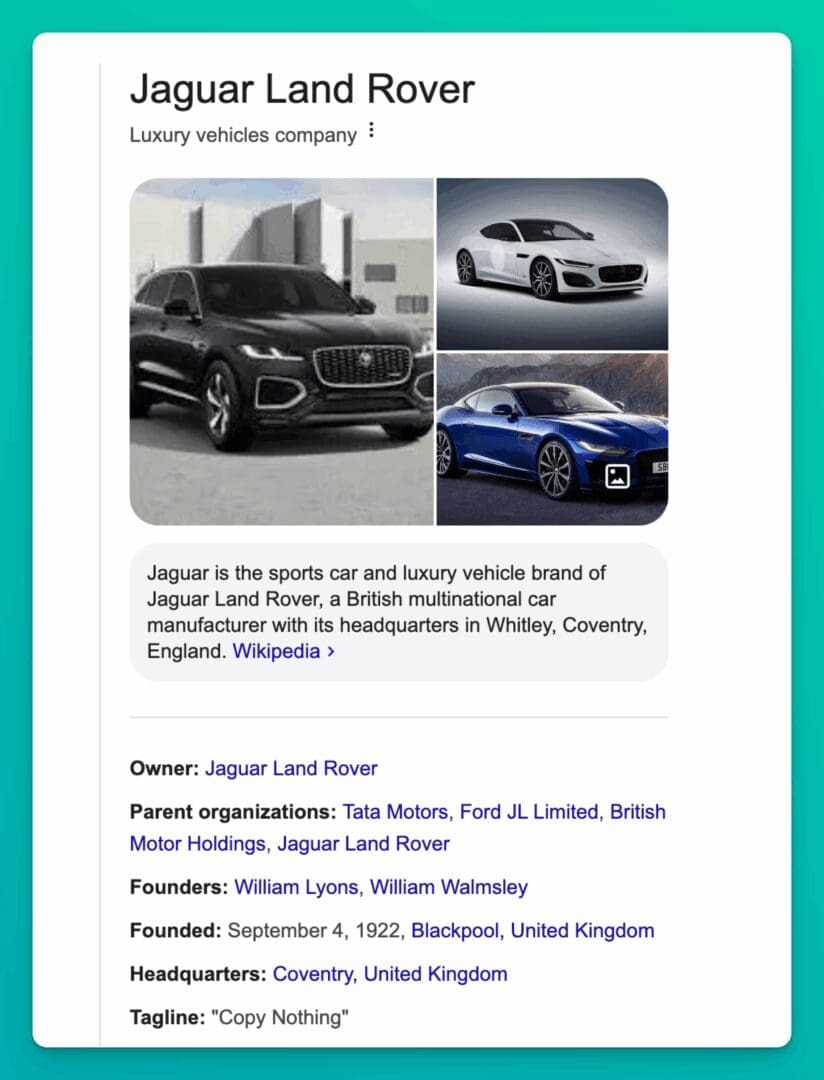
Each entity has its own unique qualities and can be clearly told apart from other things. It could be a person, a place, an organization, a product, an event, or even an abstract idea. Search engines are getting incredibly good at spotting and understanding these entities in your content.
Let's look at some examples of entities:
- People: Steve Jobs, Marie Forleo, Mel Robbins, and even Keith Eldridge (me, the founder of Keith Dream).
- Organizations: Apple Inc., Marie Forleo International, TED Conferences, Ignite Digital, and of course, Keith Dream Tech.
- Concepts/Products/Events: Innovation, Personal Development, Mindset Coaching, Digital Marketing Strategy, the iPhone, the B-School Program, The 5 Second Rule, an Apple Keynote, a TED Talk, Oprah's SuperSoul Sessions, my Notion SEO template.
- Places: Cupertino, California; New York City; Silicon Valley, Hiroshima, Japan (where I am now!).
- Specific Tools/Platforms: WordPress, Notion, LearnDash, ThriveCart, ConvertKit, ActiveCampaign, Stripe, PayPal, Zoom, Camtasia, Shopify, WooCommerce.
How do search engines figure out what these entities are and how they relate? They use something called a Knowledge Graph.
Imagine a huge, interconnected map of facts and relationships. When your content mentions Cupertino, California, Google doesn't just see those words; it understands that it's a city, located in Silicon Valley, known as the headquarters of Apple Inc., a company famously co-founded by Steve Jobs.
This deep, interconnected understanding allows search engines to give you much more accurate and relevant search results, even for tricky questions. This means more peace of mind for you, knowing your content is truly understood.
Your website today is far more than just an online brochure; it's a powerful marketing engine, constantly working to connect you with the right people.
Why Are Entities Important for Your SEO Success?
Optimizing for entities isn't just a passing trend; it's a core part of how modern SEO truly works.
For small business owners, creative freelancers, and digital agencies looking to thrive online, here's why understanding and using entities is absolutely crucial for your website's visibility and overall success:
- Improved Content Understanding (and More Visibility): By clearly defining and connecting entities in your content, you help search engines grasp the deeper meaning of your pages. This means they can match your content to a much wider range of relevant searches, not just exact keyword matches. For your small business, this translates directly into more people finding your content, even if their search terms are slightly different from what you expected. It's about ensuring your message isn't lost in translation.
- Enhanced Search Results Features (Stand Out!): Entity-rich content is much more likely to show up in those eye-catching SERP features (Search Engine Results Page features). Think about the Knowledge Panels (those informative boxes on the right side of Google results), Featured Snippets (the quick answers right at the top), and the "People Also Ask" sections. These prominent spots significantly boost your visibility and click-through rates, bringing more qualified visitors directly to your site. It's your chance to truly stand out from the crowd.
- Better User Experience (Happy Visitors, Longer Stays): When your content is optimized for entities, it's naturally more thorough and provides richer context. This creates a much better experience for your readers. They'll find more complete and satisfying answers to their questions, which encourages them to stay on your site longer, explore more of your offerings, and ultimately, become a more engaged potential customer. This aligns perfectly with our value of providing reliability and peace of mind to your audience.
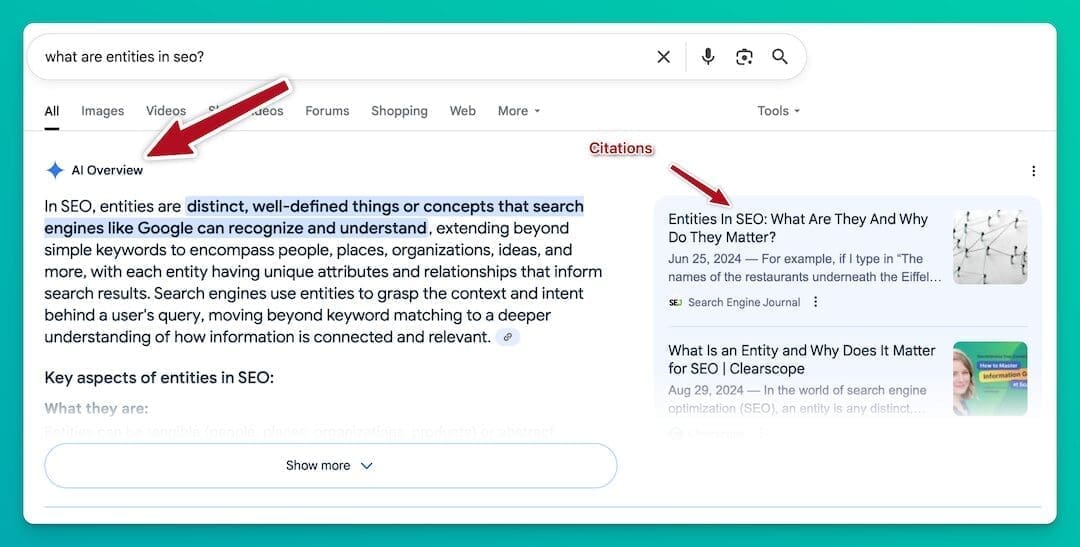
- Optimized for AI Overviews (Stay Ahead of the Curve): With the exciting rise of AI Overviews (formerly known as SGE) and the growing use of Large Language Models (LLMs) in search, entities are more vital than ever. These AI-driven summaries rely heavily on understanding the core entities and how they relate to each other to give accurate information. By optimizing for entities, you're ensuring your content is understood and used by these new search experiences, giving you a significant competitive advantage and future-proofing your efforts.
- Future-Proofing Your SEO Strategy (Built to Last): As search technology continues to evolve and get smarter, the focus on understanding meaning and entities will only grow. By adopting an entity-focused approach now, you're building a more resilient and long-lasting SEO strategy that will continue to perform well, no matter how Google's algorithms change. This is about strategic partnership for your long-term success.
- Establishing Topical Authority (Become the Go-To Expert): When you consistently cover a topic in depth, naturally including all its related entities, you signal to search engines that you are a true authority on that subject. This builds topical authority, making your site a trusted resource. This also significantly boosts your E-E-A-T (Experience, Expertise, Authoritativeness, and Trustworthiness) signals, which Google values highly, leading to higher rankings and more trust from your audience.
"By optimizing for entities, you're ensuring your content is understood and used by new search experiences, giving you a significant competitive advantage and future-proofing your efforts."
How to Optimize for Entities (Actionable Steps for Beginners)
Ready to start integrating entity optimization into your content creation? We believe in empowering you with clear, actionable steps you can implement on your own website. Here’s how to get started:
1. Focus on Topical Depth, Not Just Keywords
Instead of simply asking "what keywords should I use?", shift your thinking to "what is the main topic I want to cover, and what are all the related 'things' and 'concepts' that truly define this topic?" Aim to cover your subject thoroughly. This often means creating "topic clusters" or "content hubs" – where a main "pillar page" covers a broad topic, and several supporting articles dive into specific, related entities. For example, a strong pillar page on "Digital Marketing Strategy" might link to supporting articles focused on "SEO Entities," "Content Marketing Best Practices," and "Understanding AI Overviews." This comprehensive approach brings clarity to your content.
2. How to Find and Research Entities (No Fancy Tools Needed!)
You don't need expensive software to start identifying valuable entities. Here are simple, effective ways you can do it yourself:
- Google Search Results – Your Free Research Tool:
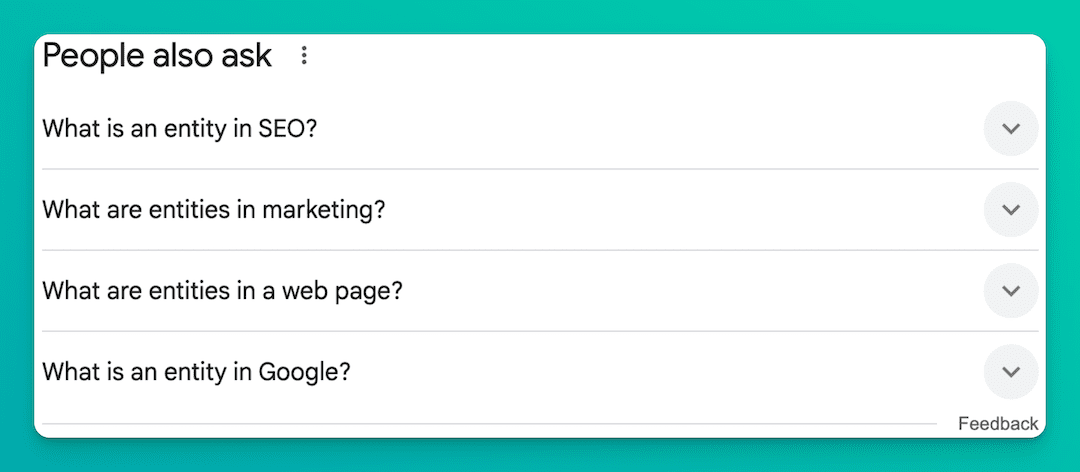
- "People Also Ask" (PAA) section: These questions are goldmines! They often highlight common entities and related questions that real users are searching for.
- "Related Searches" at the bottom of the page: This section provides terms and concepts closely linked to your main topic, giving you ideas for further entity exploration.
- Knowledge Panels: If a Knowledge Panel appears for your search, it clearly shows the main entity and its key attributes or relationships. Pay attention to what Google highlights here.
- Autocomplete suggestions: As you type in the Google search bar, notice the suggestions that pop up. These often include related terms and entities that people are searching for.
- Wikipedia/Wikidata – Your Knowledge Base: These are fantastic resources for understanding entities in depth. Look at the "Contents" or "Related topics" sections on Wikipedia pages for a comprehensive list of sub-topics and related entities. It's like a ready-made map of connections.
- Competitor Analysis – Learn from the Best: Take a look at the content of top-ranking competitors for your target topics. What entities do they mention? How do they connect them within their articles? This can give you valuable insights into what Google already recognizes as relevant.
- [Image Placeholder: Illustration of a magnifying glass over a search bar, with various keywords and entities floating around it.]
3. Use Synonyms and Related Terms Naturally
So, what's an entity? It's a distinct, identifiable "thing" or concept. It's not just a word on a page, but the actual idea behind that word. For example, if you see the word "Jaguar," it could mean the wild cat or the luxury car brand. An entity is the specific thing Google understands you're talking about – like Jaguar Cars (the luxury vehicle manufacturer) or Jaguar (the powerful big cat species).
This is simply using natural, everyday language, and it helps Google understand the full, rich context of your content.
It makes your writing more engaging for your readers too!
4. Structure Your Content Logically (Headings are Your Friends!)
Use clear headings (H1, H2, H3, etc.) to organize your content.
This is incredibly helpful for both your readers and search engines. It helps them understand the hierarchy and relationships between different sections and the entities discussed within your article.
A well-structured article makes it easier for readers to quickly find the information they need, and for search engines to identify your key entities, leading to better understanding and indexing.
5. Build Internal and External Links Strategically
Links are like roads on the internet, connecting different pieces of information. Using them wisely builds authority and clarity:
- Internal Links: Link to other relevant pages on your own website. For example, if I mention WordPress in a blog post about taking care of websites, I should link directly to my WordPress Maintenance & Updates services page. This shows search engines how content is connected and builds your site's overall authority. PRO TIP: Always use descriptive anchor text (the clickable words) that includes relevant entities, making the link's purpose clear.
- External Links: Don't be afraid to link out to authoritative, relevant external sources (e.g., WordPress.com, Schema.org, Wikipedia/Wikidata). This provides additional context for your readers, validates your information, and signals trustworthiness to search engines. It shows you're part of a larger, credible conversation.
6. Leverage Structured Data (Schema Markup – Easier Than It Sounds!)
This is a special kind of code you add to your website to help search engines understand your content more explicitly.
For example, if you're writing about an event, you can use Schema Markup to tell Google it's an event, its date, location, and who is speaking. This often helps you qualify for "rich snippets" in SERPs, which are those enhanced search listings that really stand out.
While it sounds technical, many WordPress plugins are designed to help you implement basic schema easily, giving you peace of mind without the coding headaches. You can learn more at Schema.org. At Keith Dream, we use the SmartCrawl Pro plugin by WPMUDEV.
When your content is optimized for entities, it's naturally more thorough and provides richer context. This creates a much better experience for your readers.
7. Optimize for Semantic Search (Think Like Your Audience)
Write content that truly answers questions and provides comprehensive information. Instead of just trying to match keywords, anticipate what your user is really looking for.
Think about the deeper meaning or intent behind a search query. If someone searches for "best running shoes," they're not just looking for pages with those exact words; they're looking for reviews, comparisons, recommendations, and advice. Your content should aim to fulfill that deeper need, providing real value.
8. Answer "People Also Ask" Questions (Directly Address Their Needs)
When you do a Google search, pay attention to the "People Also Ask" (PAA) section. These questions often highlight common entities and related queries that your audience is actively searching for.
By directly answering these questions in your content, you not only provide immense value but also increase your chances of appearing in these prominent PAA boxes.
9. Create a Glossary or FAQ Section (Be the Clear Resource)
If your topic involves many specific terms or concepts, consider adding a glossary or a Frequently Asked Questions (FAQ) section.
This is an excellent way to define entities clearly and provide extra context. It doesn't just help your readers understand complex ideas; it also further establishes your topical authority with search engines, showing them you're a comprehensive resource.
Real-Life Examples of Entity Optimization in Action
Let's look at how different businesses, just like yours, can apply entity optimization to their content:
Example 1: A Popular Business Coach
Imagine a blog post on a business coach's website titled "Mastering Your Mindset for Entrepreneurial Success."
- Primary Entities: Mindset Coaching, Personal Development, Entrepreneurship.
- Related Entities: Marie Forleo, Mel Robbins, The 5 Second Rule, B-School Program, Oprah's SuperSoul Sessions, Innovation.
- How they'd optimize:
- Blog Post Topic: The article would dive into the core principles of mindset coaching for entrepreneurs, discussing how to overcome challenges and foster innovation in their businesses.
- Entity Usage: The content would naturally weave in mentions of Mel Robbins and her famous 5 Second Rule as a practical technique, or Marie Forleo and her successful B-School Program as a prime example of effective personal development for business owners.
- Internal Linking: The coach would link to other blog posts about specific coaching programs, client testimonials, or services related to personal development offered directly on their site.
- Schema Markup: They could use
Personschema for the coach themselves, and potentiallyCreativeWorkorArticleschema for the blog post, clearly detailing the entities discussed within.
Example 2: A Leading Digital Marketing Agency
Consider a blog post on a digital marketing agency's site titled "The Future of Digital Marketing: AI, Entities, and Beyond."
- Primary Entities: Digital Marketing Strategy, AI Overviews, Large Language Models (LLMs), SEO.
- Related Entities: Google, Search Engines, SERPs, Knowledge Graph, Content Marketing, Schema Markup, Structured Data.
- How they'd optimize:
- Blog Post Topic: The article would explore how cutting-edge concepts like AI Overviews and LLMs are transforming digital marketing strategy, emphasizing the crucial role of entities in modern SEO.
- Entity Usage: The content would discuss how Google uses its Knowledge Graph to power AI Overviews, and how forward-thinking agencies are adapting their content marketing strategies to effectively leverage structured data and Schema Markup.
- Internal Linking: The agency would link to their Keith Dream SEO Services page, their Keith Dream Fractional CTO services page, or relevant case studies that demonstrate successful digital marketing strategy implementations.
- Schema Markup: They would use
Organizationschema for the agency, andArticleschema for the blog post, including clear mentions of the key entities discussed.
"By shifting your mindset from just keywords to understanding and clearly communicating about the 'things' and 'concepts' most relevant to your content, you'll create more valuable content for your audience."
The Takeaway: Empowering Your Online Presence
Entities are truly the building blocks of semantic search – the way search engines understand meaning.
By shifting your mindset from just keywords to understanding and clearly communicating about the 'things' and 'concepts' most relevant to your content, you'll create more valuable content for your audience.
This will dramatically improve your chances of ranking higher in today's sophisticated search landscape.
We understand that navigating the world of SEO can feel complex, but with a clear, strategic approach, you can achieve remarkable results and gain true peace of mind. To help you on this journey, I’ve created a comprehensive Notion SEO Hub template. It provides excellent tools like a 'Search Intent' guide and an intuitive 'On-Page SEO Checklist' to use with each page and post on your website. This checklist will directly support your entity optimization efforts. It's designed to empower you to take control of your online presence, efficiently and effectively.
Want to find out when the Notion template launches (Hint, it’s coming very soon!)? Get on my newsletter and be one of the first to know!
Frequently Asked Questions (FAQ) about Entities in SEO
Q1: Is entity SEO replacing keyword SEO?
A1: Not at all! Entity SEO doesn't replace keyword SEO; it enhances it. Think of it as evolving. Keywords are still how people search, but entities help search engines understand the context and meaning behind those keywords. They work together to give you better results.
Q2: Do I need special software to do entity optimization?
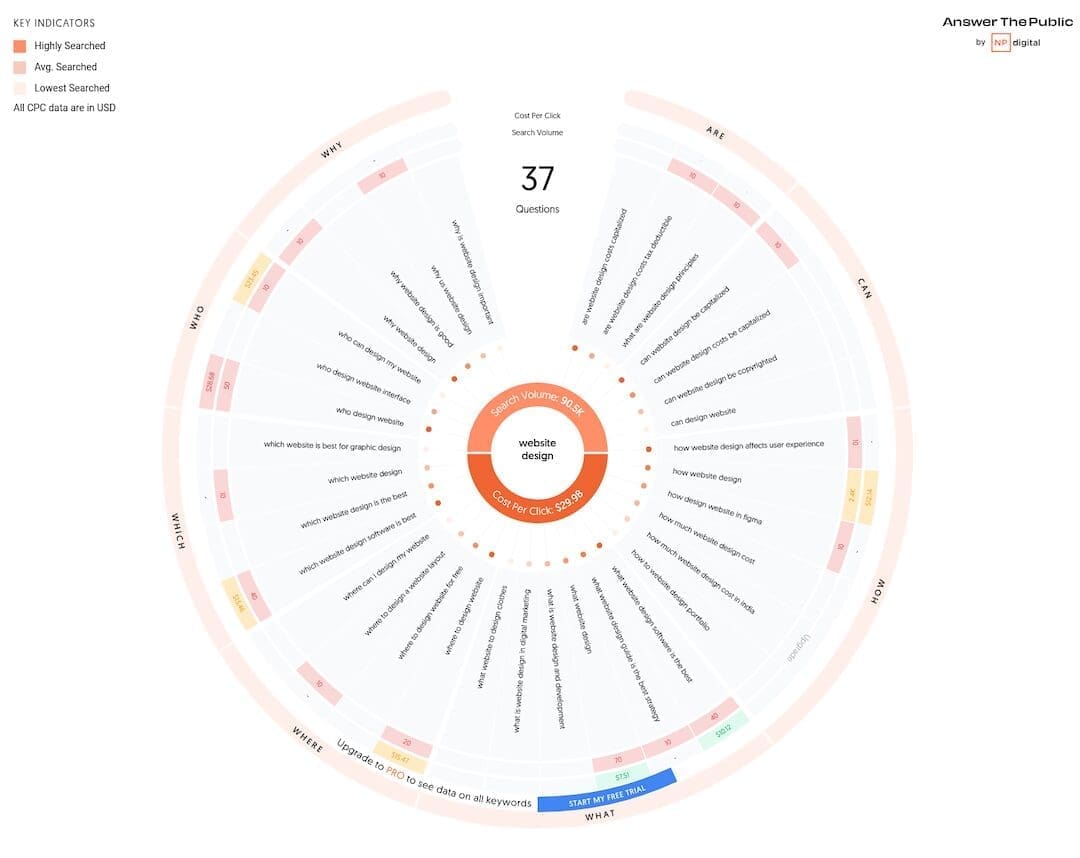
A2: While there are advanced tools, you don't need them to start! As discussed in this article, you can use free tools like Google Search (Answer the Public, People Also Ask, Related Searches, Autocomplete, Knowledge Panels) and Wikipedia to identify and research entities relevant to your content. You can even ask AI!
Q3: How often should I update my content for entities?
A3: It's a good practice to regularly review and update your content. As new information emerges or your business evolves, new entities might become relevant. Depending on your industry, aim for periodic reviews (e.g., quarterly, bi-annually or even annually) to ensure your content remains fresh, accurate, and entity-rich.
Q4: Will optimizing for entities guarantee me a #1 ranking?
A4: While entity optimization significantly improves your chances of ranking higher and appearing in rich search features, no single SEO tactic can guarantee a #1 ranking. SEO is a holistic process that includes many factors like technical SEO, backlinks, user experience, and overall content quality. However, entity optimization is a powerful step towards better visibility.
Reference: Some Key Entities Mentioned in This Article:
| Category | Entities |
|---|---|
| Search Engine Optimization (SEO) | Google, Search Engines, SERPs, Knowledge Graph, AI Overviews, Large Language Models (LLMs), Topical Authority, E-E-A-T, Semantic Search, Structured Data, Schema Markup, Rich Snippets, Content Marketing, Keywords, Internal Links, External Links, Anchor Text,People Also Ask (PAA), Notion SEO template, Search Intent guide, On-Page SEO Checklist |
| People | Marie Forleo, Mel Robbins, Keith Eldridge |
| Organizations | Marie Forleo International, Keith Dream Tech |
| Concepts/Products | Innovation, Personal Development, Mindset Coaching, Digital Marketing Strategy, B-School Program, The 5 Second Rule |
| Tools/Platforms | WordPress, Notion, Schema Markup, Knowledge Graph |


0 Comments